Laser skin resurfacing has become one of the most requested and least understood treatments in aesthetic medicine. The term covers a wide range of technologies, from gentle non-ablative lasers that need no downtime to aggressive ablative resurfacing that removes the entire surface layer of skin. Patients researching their options are often confused by conflicting claims, aggressive med spa marketing, and providers who present one machine as the answer to every concern.
The reality is more nuanced. Laser skin resurfacing is a legitimate, clinically proven category of skin rejuvenation. It also includes overpromised marketing and undertrained operators using powerful devices they are not qualified to control. Understanding the difference between the technologies, and knowing which one actually fits your skin and your goals, is what this guide is about.
This is the comprehensive 2026 guide to laser skin resurfacing in Miami. It covers what the term actually means, the ablative and non-ablative options available, how to know which is right for you, real costs, recovery, and how to choose the right provider. For patients also exploring platelet-based skin rejuvenation, see our resource on PRP treatment in Miami.
What Is Laser Skin Resurfacing, Really?
Laser skin resurfacing is an umbrella term. It refers to any procedure that uses focused light energy to improve the texture, tone, firmness, and appearance of the skin. It is not one procedure. It is a category that includes several distinct technologies, each working at a different depth and intensity.
The confusion comes from clinics using the term interchangeably with whichever device they happen to own. A med spa with a single fractional laser will call every treatment “laser resurfacing” without explaining that a different concern might respond better to a different tool. A surgical center may frame full ablative CO2 as the only real resurfacing. Both views are incomplete.
The right way to think about laser skin resurfacing is as a category with two main branches: ablative and non-ablative. Within each branch there are multiple devices and settings. The best choice for any patient depends on the specific concern, their skin type, and how much downtime they can accept.
Laser skin resurfacing is not one procedure. It is a category. The right laser for you depends on the specific concern being addressed and your skin type, not on which machine a particular clinic happens to sell.
Who Actually Considers Laser Skin Resurfacing?
The patients who benefit most from laser skin resurfacing fall into a few common groups.
- Adults with fine lines and wrinkles, especially around the eyes and mouth, who want smoother texture
- Patients with sun damage, brown spots, and uneven pigmentation from years of Miami sun exposure
- People with acne scarring or other textural scarring who want a smoother surface
- Patients noticing early skin laxity and dullness who want firmer, brighter skin
- Individuals with enlarged pores and rough texture
- Patients with melasma or stubborn discoloration who need a carefully chosen, conservative approach
- Anyone wanting a general refresh of tired, aging skin without surgery
Not every concern needs an aggressive laser. Many patients do very well with a gentle non-ablative device or a series of lighter sessions. What matters is having accurate information about all the options, and an honest assessment of your skin type, before deciding.
What Are the Ablative Options for Laser Skin Resurfacing?
Ablative resurfacing removes the outer layers of skin to trigger significant collagen remodeling. These treatments produce the most dramatic results but involve real downtime and require a qualified physician, especially in a diverse-skin city like Miami.
Full CO2 Laser Resurfacing
The most powerful resurfacing option. It removes the surface layer across the full treatment area and stimulates deep collagen production. Best for significant wrinkles, deep photoaging, and advanced texture concerns. Requires the most downtime and careful patient selection.
Fractional CO2 Laser
Delivers CO2 energy in a pattern of microscopic columns rather than treating the entire surface, leaving healthy tissue between treated zones to speed healing. Best for wrinkles, acne scarring, and moderate to significant texture concerns with less downtime than full ablative. Our team also uses fractional CO2 technology in intimate wellness through laser vaginal tightening.
Erbium (Er:YAG) Resurfacing
A more precise ablative laser that targets water in the skin with less heat spread than CO2. Best for fine lines and superficial concerns in patients who want a slightly shorter recovery than full CO2.
What Are the Non-Ablative Options for Laser Skin Resurfacing?
Non-ablative resurfacing heats the deeper layers of skin to stimulate collagen without removing the surface. Results are gradual and build over a series of sessions, with little to no downtime. The right candidate has mild to moderate concerns or cannot accommodate the recovery that ablative treatment requires.
Fractional Non-Ablative Laser
Heats microscopic columns in the deeper skin while leaving the surface intact. Best for fine lines, mild scarring, tone, and early texture concerns. Usually done as a series of three to five sessions.
Laser Toning for Pigmentation
Lower-energy laser settings used to break up pigment and even out tone. Best for sun spots, mild melasma, and dullness, especially in patients who need a cautious approach because of skin type.
Radiofrequency Microneedling
Not a laser, but often discussed alongside resurfacing. Combines microneedling with radiofrequency energy to remodel deeper tissue and tighten skin. Best for laxity and texture in patients across a wide range of skin tones, since it carries lower pigment risk than aggressive lasers. It also pairs well with PRP skin rejuvenation for patients wanting to boost collagen response.
Non-ablative treatments are excellent for mild to moderate concerns and for patients who cannot take downtime. They are not a substitute for ablative resurfacing when the underlying issue is deep wrinkling or advanced photoaging.
How Do You Choose Between Ablative and Non-Ablative?
The single most important question is: what specifically are you trying to address, and what is your skin type? Different concerns and different complexions respond better to different tools.
- Deep wrinkles and advanced sun damage: ablative CO2 typically produces the strongest results
- Fine lines and early aging: non-ablative fractional laser is often the right starting point
- Acne scarring: fractional CO2 or fractional non-ablative depending on severity and downtime tolerance
- Pigmentation and melasma: conservative laser toning, often combined with medical skincare, rather than aggressive resurfacing
- Skin laxity with texture: radiofrequency microneedling is frequently the better choice
- Darker or more melanin-rich skin: gentler, carefully selected settings to reduce the risk of pigment changes
- General refresh with no downtime: a series of light non-ablative sessions
For many patients, the right answer is a combination or a staged plan: medical skincare to prepare the skin, a resurfacing treatment matched to the concern, and maintenance sessions over time. The best providers evaluate skin type carefully and recommend based on your specific skin rather than what they happen to sell. You can review our full laser skin resurfacing treatment page for what we offer in Doral.
How Much Does Laser Skin Resurfacing Cost in Miami in 2026?
Cost varies significantly by technology and by how many sessions you need. Typical Miami ranges in 2026:
- Full CO2 ablative resurfacing (single full-face treatment): 2,500 to 5,500 dollars
- Fractional CO2 (per session): 1,200 to 2,800 dollars
- Erbium (Er:YAG) resurfacing (per session): 1,000 to 2,500 dollars
- Non-ablative fractional laser (package of 3 to 5): 1,800 to 4,000 dollars
- Laser toning for pigmentation (per session): 250 to 600 dollars
- Radiofrequency microneedling (package of 3): 1,500 to 3,500 dollars
These ranges assume a qualified physician or physician-supervised provider, appropriate device settings for your skin type, and proper pre- and post-treatment care. Meaningfully lower prices often indicate an undertrained operator or aggressive settings without proper oversight, which is a real risk with resurfacing lasers. Financing is available through healthcare-specific lenders for larger treatment plans.
What Should You Expect During Recovery?
Ablative Recovery
Full CO2 resurfacing involves the most downtime. Expect redness, swelling, and peeling for roughly 7 to 14 days depending on depth. Skin must be kept clean, moist, and out of the sun. Most patients are socially presentable at 10 to 14 days, with continued pinkness fading over several weeks. Strict sun protection is essential during healing, which matters even more in Miami.
Non-Ablative Recovery
Recovery from non-ablative treatments is much simpler. Expect mild redness and a sandpaper texture for a few days. Most patients return to normal activity the next day, with makeup usually fine within 24 to 48 hours. Results build gradually over the series and in the months that follow as collagen remodels.
How Do You Choose the Right Provider in Miami?
Provider choice matters more with resurfacing lasers than with almost any other aesthetic treatment, because the wrong settings on the wrong skin can cause lasting pigment problems. What to look for:
- A physician or physician-supervised provider with specific laser training
- Genuine experience treating your skin type, not just lighter complexions
- Access to multiple devices rather than one machine used for everything
- Willingness to recommend a gentler option or say no when aggressive resurfacing is not appropriate
- Realistic expectations set from the start rather than dramatic before-and-after promises
- A clear pre-treatment skincare and post-treatment protocol
- Adequate consultation time to assess your skin and history properly
Med spas offering aggressive laser marketing without qualified physician oversight are a real concern, particularly for melanin-rich skin. Quality and judgment matter here more than price.
What Are the Risks and Limitations?
Every laser treatment has real limitations and possible complications. An honest provider discusses these before you commit.
- Ablative treatments have real downtime and a small risk of infection, prolonged redness, scarring, or pigment change
- Non-ablative treatments produce gradual improvement that is usually less dramatic than ablative resurfacing
- Pigment changes are a genuine risk in darker skin types when settings are too aggressive
- Results are not permanent. Aging and sun exposure continue, so maintenance and sun protection are essential
- Some deep scars and severe laxity cannot be fully corrected by lasers alone
Frequently Asked Questions
What is the best laser skin resurfacing treatment?
There is no single best treatment because it depends on your concern and skin type. Full CO2 is best for deep wrinkles and advanced photoaging. Fractional lasers are best for scarring and moderate texture. Non-ablative options are best for fine lines and no-downtime refreshing. The right laser matches the actual concern and complexion.
How long do laser skin resurfacing results last?
Ablative resurfacing results can last several years, especially with diligent sun protection. Non-ablative results typically last 12 to 24 months and are maintained with periodic sessions. Ongoing sun exposure is the biggest factor in how long any result holds.
Is laser skin resurfacing safe for darker skin?
Yes, when performed by an experienced provider using appropriate settings. Darker and more melanin-rich skin carries a higher risk of pigment change with aggressive lasers, so device selection and conservative settings are critical. This is a key reason to choose a provider with real experience across skin types.
How many sessions will I need?
Ablative resurfacing often achieves results in a single treatment. Non-ablative and toning treatments are usually done as a series of three to five sessions spaced weeks apart. Your provider will set a plan based on your concern and skin response.
Does laser skin resurfacing help with acne scars?
Yes. Fractional lasers are one of the more effective options for improving acne scarring by remodeling the skin’s texture over a series of treatments. Deeper scars may need a combination approach for best results.
Does insurance cover laser skin resurfacing?
No. Laser skin resurfacing is considered cosmetic and is not covered by insurance. Financing through healthcare-specific lenders is widely available for larger treatment plans.
Ready to explore your laser skin resurfacing options with a Miami provider who matches the treatment to your skin, not to a single machine? Book a consultation with Dr. Verdeza at G-Nouva in Doral. Call (786) 453-2785.
Related Reading
- Laser Skin Resurfacing in Miami — our full treatment page and technology options
- PRP Treatment in Miami — platelet-based skin rejuvenation that pairs with laser
- Laser Vaginal Tightening (Femilift) — fractional CO2 applied to intimate wellness
About the Author
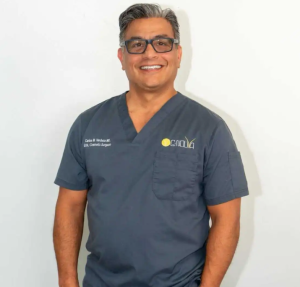
Dr. Carlos M. Verdeza is a board certified physician and the founder of G-Nouva, an integrative women’s wellness, cosmetic, and anti-aging center in Doral, Miami. He has fifteen plus years of experience in aesthetic and anti-aging medicine and offers a full range of surgical and non-surgical treatments. Full bio at gnouva.com/our-authors/dr-carlos-m-verdeza.