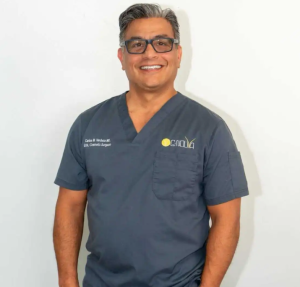
Considering vaginoplasty at G-Nouva in Miami is a significant and personal decision. You deserve a clear, step by step guide that explains how to prepare, what qualifies you as a candidate, how anesthesia and pain control work, what to expect on surgery day, how recovery unfolds, and how to evaluate costs and insurance. This overview reflects G-Nouva’s patient-first approach under Dr. Carlos M. Verdeza, ECFMG-certified and BE/BC in OB-GYN, with advanced training in cosmetic and intimate gynecology. The goal is to help you plan safely and confidently, and to make it easy to schedule a consultation with our team.
Who is a candidate for vaginoplasty, and what are realistic goals?
You may be a good candidate if you experience vaginal laxity that affects comfort or intimacy, difficulty with tampon retention, changes after childbirth, or perineal scarring that alters support. A focused exam assesses the introitus, canal support, and perineal body integrity; pelvic floor function; hormonal status and tissue quality; and any coexisting conditions that could influence healing. Realistic goals include improved support and friction, better tampon retention, and comfort during activity. Goals that are not realistic include a guaranteed change in orgasm quality or a one size expectation of tightness. If overactive pelvic floor muscles or pain syndromes are present, pelvic floor physical therapy is often recommended before or alongside surgery to improve outcomes.
If your primary concern is external labial tissue, labiaplasty may be discussed as a separate or staged procedure. That leads to common questions patients ask during a vaginoplasty consult.
- What qualifies you for a labiaplasty? Indications include labial irritation from clothing or exercise, hygiene challenges, asymmetry that impacts confidence, or discomfort with penetration. Candidacy focuses on your symptoms, anatomy, and goals, and techniques are selected to preserve sensation and a natural appearance.
- Is labiaplasty a high risk surgery? Labiaplasty is generally considered low risk when performed by an experienced gynecologic surgeon in appropriate candidates. Typical risks include bleeding, infection, wound separation, scarring, temporary numbness, and asymmetry. Serious complications are uncommon with proper technique, careful aftercare, and avoidance of tobacco.
- How painful is a labiaplasty? Most patients describe the first few days as tender and swollen, managed with oral pain medication, topical care, cold compress sleeves, and rest. Discomfort typically improves steadily over one to two weeks, with activity restrictions easing as healing progresses.
- How much does it cost for a labia reduction? Pricing varies with anatomy, technique, anesthesia needs, and whether procedures are combined. You will receive a transparent, itemized quote at consultation. Financing options are available for qualified patients.
If vaginoplasty remains the right path for your concerns, the next step is a structured pre operative plan.
What to expect at your consultation
Your visit includes a detailed medical history and pelvic exam, medication and supplement review, assessment of prior births or surgeries, and discussion of sexual function and pelvic floor symptoms. You will review informed consent, expected results, risks, and alternatives, and finish with personalized photography and surgical planning. If labs or medical clearances are indicated, we order them. Many patients appreciate the continuity of care with a Doral based specialist; if you need a same week well woman check or screening, you can arrange a pap smear test in Doral during the pre op phase if appropriate.
Pre operative checklist and timelines
- Lab work and clearances: CBC, coagulation as indicated, pregnancy testing when appropriate, and any medical specialty clearance based on your history.
- Medication adjustments: We will guide you on when to pause blood thinners, certain supplements, and anti inflammatory medications that increase bleeding risk. Bring an updated list of prescriptions and over the counter products.
- Smoking and nicotine cessation: Plan to stop at least four weeks before and after surgery. Nicotine constricts blood vessels and raises wound healing risks.
- Pre op hygiene: Follow specific instructions for bathing, hair management without shaving cuts, and avoiding scented products that can irritate skin.
- Fasting and day of logistics: You will receive precise guidance on when to stop eating and drinking before anesthesia, what to bring, and how your escort will support you after discharge.
Anesthesia, pain control, and surgery day
Vaginoplasty is typically performed as an outpatient procedure with anesthesia tailored to your needs. Options include general anesthesia or deep sedation with local blocks for comfort. Intraoperative local anesthetic and multimodal pain control help reduce opioid requirements. On surgery day you will meet your care team, confirm the plan and markings, review consent, and complete a safety checklist. Surgery time varies by anatomy and whether additional procedures are planned. You will recover in the PACU until you are comfortable, voiding appropriately, and cleared to go home with your escort.
Recovery milestones and activity timeline
The first 48 to 72 hours: expect swelling, a feeling of fullness, and mild spotting. Use a peri bottle, breathable underwear, pads, and a light cold pack sleeve. Alternate rest with brief walks for circulation.
Week 1 to 2: tenderness and swelling trend down. Most desk work resumes in several days, depending on your comfort and commute. Continue wound care, stool softeners, and sitz baths if advised.
Weeks 3 to 4: progressive healing with reduced sensitivity. Avoid intercourse, tampon use, and strenuous exercise until cleared. Most patients wait about four weeks for these activities, though timelines are individualized.
Weeks 6 to 12: sensation continues to evolve, residual swelling settles, and results refine. Pelvic floor physical therapy, when indicated, can improve comfort and long term function.
Risks, prevention, and follow up
Potential risks include bleeding, infection, scarring, asymmetry, over or under tightening, temporary numbness, and rarely painful intercourse. Prevention focuses on meticulous technique, strict sterile protocols, nicotine avoidance, medication optimization, and adherence to aftercare. You will have scheduled follow ups to monitor healing and address questions promptly. Contact the clinic sooner if pain, bleeding, or swelling exceed expected ranges.
Financing options at G Nouva
We offer in house payment plans for qualified patients, reputable medical credit partners, and guidance on using HSAs and FSAs responsibly. Many medically indicated services and pre op evaluations may be eligible for HSA or FSA spending depending on your plan. Aesthetic only components are usually not eligible. We will help you plan a budget that supports your goals without compromising safety.
Miami based expertise and next steps
G Nouva unites evidence-based gynecology with intimate wellness and aesthetic expertise. Whether you are exploring vaginoplasty, labiaplasty, or non surgical options, you will receive candid counseling, a personalized plan, and attentive follow up. If you prefer to begin with preventive care or a general women’s health visit before planning surgery, scheduling with a OB/GYN is a simple way to start. If your search is focused on surgical intimacy care, many patients begin by comparing top-rated vaginoplasty in Doral options, then book a consultation to review anatomy and goals in person.
Ready to plan or explore the right timing for you? Book your consultation, bring your questions, and leave with a stepwise plan that fits your body, your schedule, and your budget.
Summary: You are a candidate for vaginoplasty when laxity or support changes impact comfort or intimacy; realistic goals focus on better support and friction, not guaranteed changes in orgasm. Preparation includes a focused history and pelvic exam, informed consent with photos and surgical planning, labs and clearances, medication review, nicotine cessation, and clear hygiene and fasting instructions. Anesthesia and pain control are personalized, surgery is outpatient, and recovery progresses through predictable milestones with activity restrictions for several weeks. Risks are uncommon with proper selection and aftercare and are mitigated by technique, nicotine avoidance, and follow up. Costs include surgeon, facility, and anesthesia fees. Financing is available and we will help you compare quotes ethically. When you are ready, our Miami based team is here to guide your next step.