
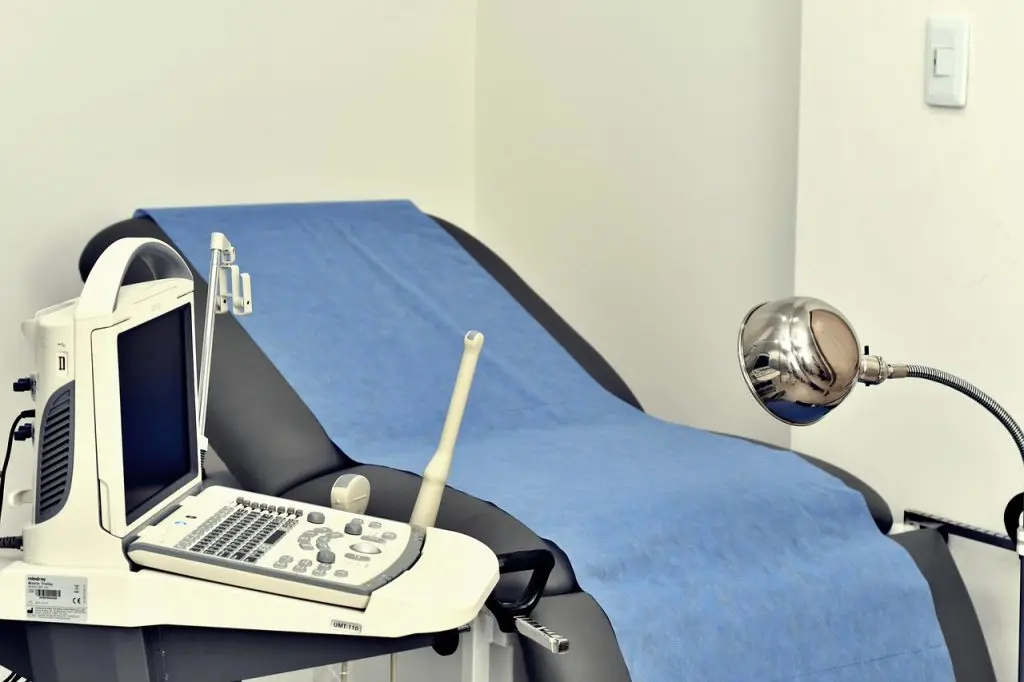
A colposcopy is a procedure that lets a doctor examine the cervix, vagina, and vulva closely using a lighted, magnifying instrument called a colposcope. It is usually recommended after an abnormal Pap smear or a positive HPV test, so problem areas can be seen more clearly. It does not diagnose anything on its own, but it helps decide if a biopsy or further testing is needed.
How is a colposcopy different from a Pap smear?
A Pap smear is a screening test. It collects cells from the cervix to check for changes under a microscope, but it does not let anyone see the cervix up close. A colposcopy is a closer look that is usually ordered after a Pap smear shows something that needs more attention. Think of the Pap smear as the first step and the colposcopy as the follow up step that helps explain what the screening found.
Why would a colposcopy be recommended?
An abnormal Pap test result is the most common reason a colposcopy is suggested. Other reasons include a persistent HPV infection, visible changes to the cervix found during a routine exam, or unexplained bleeding between periods or after intercourse. A colposcopy is one of several gynecological procedures used to evaluate concerns like these, so the doctor can choose the right next step rather than guessing based on symptoms alone.
How should you prepare for a colposcopy?
Preparation for a colposcopy is generally simple. It is common to be advised to avoid intercourse, tampons, and vaginal creams or medications for a day or two beforehand, since these can affect how clearly the cervix can be seen. Scheduling outside of a heavy menstrual flow is also often suggested. Your doctor can tell you exactly what applies to your situation.
What happens during a colposcopy?
A colposcopy is generally done in an office setting and does not require general anesthesia. A speculum is used, similar to a Pap smear, and the doctor then views the cervix through the colposcope. A vinegar like solution is often applied first, since it can make abnormal areas easier to see. If an area looks concerning, a small tissue sample may be taken for a biopsy to be examined in a lab.
Is a colposcopy uncomfortable?
For most people, a colposcopy feels similar to a Pap smear, with some pressure from the speculum. If a biopsy is taken, many describe a brief pinching or cramping feeling. Everyone’s experience is a little different, and any discomfort generally passes quickly once the exam is finished.
What happens if the results come back abnormal?
An abnormal colposcopy or biopsy result does not automatically mean a serious diagnosis. Depending on what is found, a doctor may recommend watching the area over time, repeating testing, or a follow up procedure such as a LEEP or cone biopsy. You can read more about these in office gynecological procedures and how they fit into a broader care plan. A routine women’s wellness exam is often where an abnormal Pap test is first found, which is why regular visits matter.
If you notice heavy bleeding, significant pain, or a fever after a colposcopy or biopsy, call our office directly at (786) 453-2785. If it feels like a medical emergency, call 911 right away.
Frequently asked questions
How long does it take to get colposcopy results?
Results generally take some time to process in a lab, and timing can vary by case. Your doctor will let you know when to expect your results and what they mean for your care.
Will I definitely need a biopsy during my colposcopy?
Not everyone needs a biopsy. The doctor decides during the exam itself, based on how the tissue looks through the colposcope.
How much does a colposcopy cost?
The cost is set at the consultation, since it depends on factors such as whether a biopsy is performed and individual circumstances.
Can I have a colposcopy while pregnant?
A colposcopy can generally still be considered during pregnancy when needed, though timing and approach are weighed carefully. This is best discussed directly with your doctor.
What should I do if my Pap test comes back abnormal?
Contact your doctor’s office to talk through next steps, which may include a colposcopy. Our team can help you schedule a consultation to review your results.
If you have been told you need a colposcopy, or you have questions about an abnormal Pap test, the team at G-Nouva is here to help you understand your options. Learn more about what to expect at a gynecology appointment in Florida, or call us at (786) 453-2785 to request a consultation.